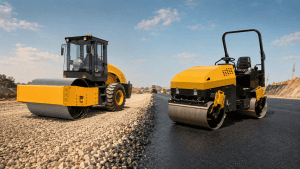
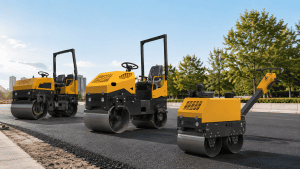
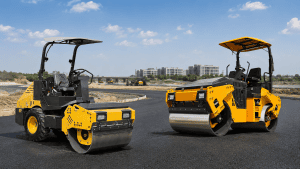
Regular road roller maintenance helps reduce unexpected downtime, maintain compaction performance and extend equipment service life. Whether the machine is a walk-behind roller, tandem roller or heavy single drum roller, routine inspection should be part of every work shift.
Maintenance requirements vary by model, engine and hydraulic configuration. Always follow the official operation and maintenance manual for the exact machine.
Daily Inspection Before Starting
Before starting the engine, walk around the roller and check for visible damage or leakage.
Inspect:
- Engine oil level
- Hydraulic oil level
- Fuel level
- Coolant level on water-cooled engines
- Water-spray tank level
- Loose bolts and fasteners
- Hydraulic hoses and fittings
- Fuel and oil leakage
- Drum condition
- Tire pressure on single drum rollers
- Safety guards
- Operator controls
- Warning devices
Do not operate a machine with an active fuel or hydraulic leak.
Check the Engine
The engine must operate at the correct speed to provide stable travel and vibration performance.
Regular engine maintenance should include:
- Changing engine oil at the specified interval
- Replacing the oil filter
- Cleaning or replacing the air filter
- Inspecting the fuel filter
- Checking the cooling system
- Inspecting belts and electrical connections
- Checking battery terminals
- Confirming normal exhaust condition
Dusty construction sites can block air filters quickly. Inspect them more frequently when the roller operates around dry soil, cement or aggregate.
Inspect the Hydraulic System
Hydraulic systems may control travel, steering and vibration. Contaminated or insufficient hydraulic oil can cause slow operation, overheating and premature component wear.
Check:
- Hydraulic oil level
- Oil colour and contamination
- Hose condition
- Connection points
- Cylinder seals
- Pump noise
- Operating temperature
- Travel response
- Steering response
Use only the hydraulic oil grade recommended by the manufacturer. Mixing incompatible oils can reduce lubrication performance and damage seals.
Maintain the Vibration System
The vibration system directly affects compaction efficiency. Unusual noise, excessive heat or weak vibration may indicate a mechanical or hydraulic problem.
Operators should monitor:
- Vibration engagement
- Drum response
- Bearing noise
- Vibration motor condition
- Eccentric mechanism
- Mounting bolts
- Rubber isolation mounts
- Hydraulic connections
Do not activate vibration while the machine remains stationary for an extended period. Concentrated vibration may damage the surface and place unnecessary stress on the drum system.
Clean and Inspect the Drums
Asphalt, soil and construction debris can accumulate on the drums.
After each shift:
- Remove adhered material
- Inspect the drum surface for damage
- Check drum edges
- Clean scraper bars
- Confirm that scrapers contact the drum correctly
- Inspect water-spray nozzles
- Check the vibration mounts
Avoid striking the drum surface with tools that may cause dents or scratches.
Maintain the Water-Spraying System
The water system helps prevent asphalt from adhering to the drums. Blocked nozzles or an empty tank can reduce surface quality.
Inspect:
- Water tank
- Pump operation
- Filters
- Hoses
- Spray nozzles
- Spray coverage
- Electrical connections
- Tank drain
Use clean water whenever possible. Drain the system in freezing conditions to prevent damage to the tank, pump and pipes.
Check Tires and Steering Components
Single drum rollers use rear pneumatic tires for traction. Check tire pressure, tread condition and wheel fasteners regularly.
For articulated rollers, inspect:
- Articulation joint
- Steering cylinders
- Pins and bushings
- Lubrication points
- Hydraulic hoses
- Center-joint movement
Excessive clearance at the articulation joint can affect steering accuracy and machine stability.
Weekly Maintenance
A weekly inspection may include:
- Greasing all lubrication points
- Checking battery electrolyte where applicable
- Tightening structural fasteners
- Inspecting the parking brake
- Testing emergency controls
- Cleaning the radiator or cooling fins
- Checking drum scrapers
- Inspecting electrical cables
- Checking the canopy or cab mounts
Machines operating for long hours may require these tasks more frequently.
Long-Term Storage
If the roller will not be used for an extended period:
- Clean the entire machine
- Repair paint damage
- Drain or protect the water system
- Fill or treat the fuel system as recommended
- Disconnect or maintain the battery
- Lubricate exposed moving parts
- Store the machine on firm, level ground
- Protect it from rain and direct sunlight
- Start and inspect it periodically when recommended
Do not store the roller with wet asphalt or corrosive material attached to the drums.
Keep Accurate Service Records
Maintenance records help identify repeated faults and support spare-parts planning.
Record:
- Operating hours
- Maintenance date
- Oil and filter changes
- Parts replaced
- Fault descriptions
- Repair actions
- Technician information
- Next scheduled service
Detailed records are especially important for equipment-rental companies and fleet operators.
Frequently Asked Questions
How often should hydraulic oil be changed?
The interval depends on the model, oil specification and operating conditions. Follow the manufacturer’s manual and replace contaminated oil immediately.
Why does asphalt stick to the roller drum?
Common causes include an empty water tank, blocked spray nozzles, poor spray coverage or a malfunctioning water pump.
Why is the vibration becoming weaker?
Possible causes include low hydraulic oil, pump wear, a vibration-motor problem, damaged mounts or faults in the eccentric system.
Should the roller be washed after every shift?
Remove soil and asphalt after operation, but avoid directing high-pressure water at electrical connectors, bearings or unprotected control components.
LUXIN Parts and Technical Support
Using compatible filters, seals, hoses and vibration components helps maintain machine reliability.
Contact LUXIN with the roller model, serial number and required part information to request maintenance guidance or replacement parts.